
AI vs. Therapy: Why Human Connection Still Matters
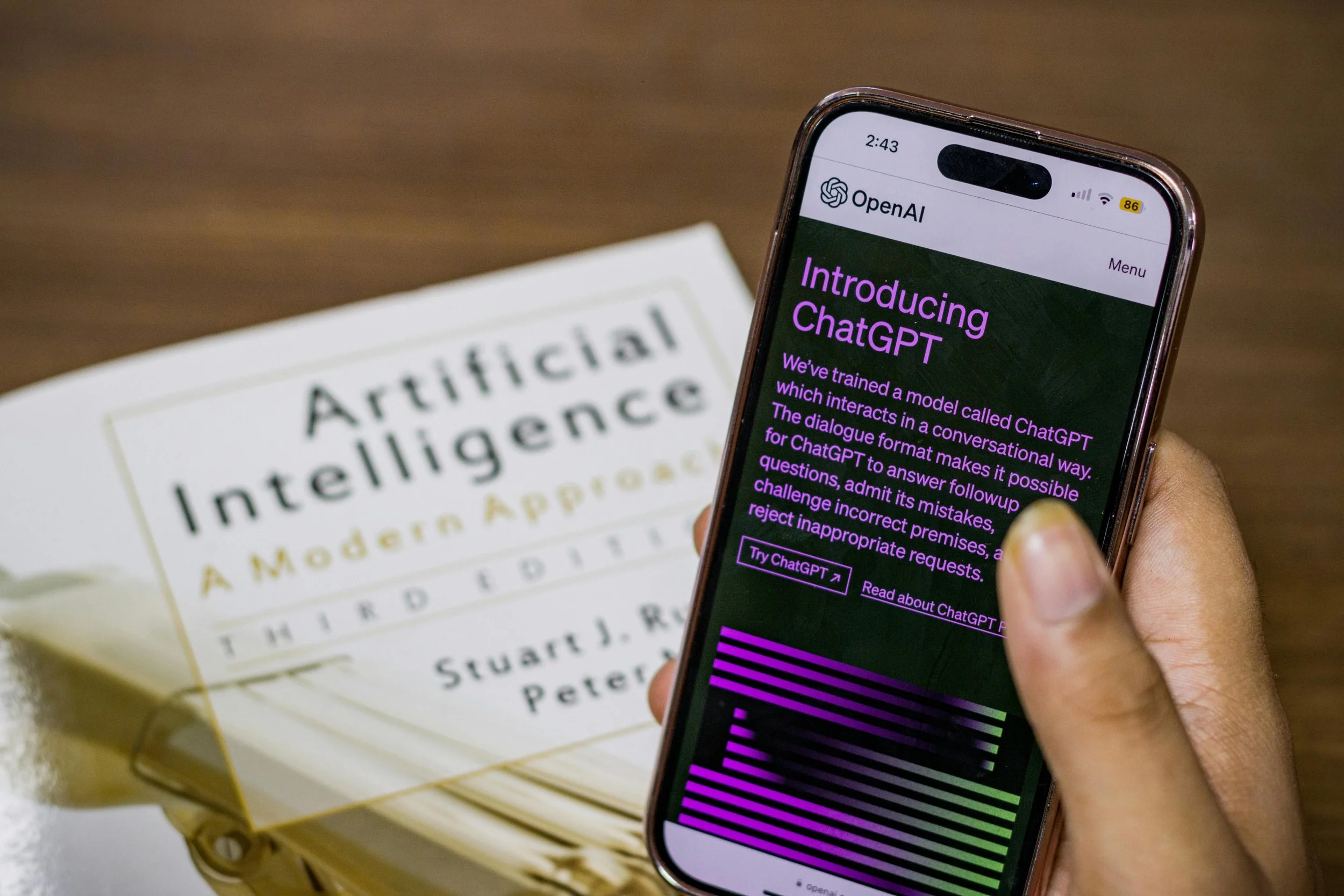
Artificial intelligence has become a common companion in many areas of life, including mental health. With a few keystrokes, AI tools can offer coping strategies, reflections, and even language that sounds empathic. For some, this accessibility can feel encouraging and supportive. At CIFT, we see value in these tools and we also believe it’s important to be clear about what AI can and cannot provide.
AI and therapy are not the same, and understanding the difference matters.
What AI Can Do Well
AI excels at processing information. It can help organize thoughts, provide psychoeducation, introduce basic coping skills, and offer immediate responses when someone is feeling overwhelmed. Research suggests these tools can be especially helpful as a first step, for mild or situational distress, or when access to a therapist is limited.
Used wisely, AI can support self-reflection and learning. For some, it may lower the barrier to beginning conversations about mental health or encourage seeking further support.
What Therapy Is—and Why It’s Different
Therapy is not simply the exchange of information. It is a relational and clinical process that unfolds over time within a trusted human relationship. At CIFT, we understand therapy as coming alongside someone with presence, discernment, and care - listening not only to words, but to emotion, meaning, and story.
Humans are created for connection. Our brains are wired with mirror neurons that support empathy, emotional attunement, and felt safety. These biological and relational processes are activated through real human interaction and are central to meaningful therapeutic change. While AI can simulate empathic language, it cannot participate in the mutual, relational exchange that supports healing at a deeper level.
The Role of the Therapeutic Relationship
One of the strongest predictors of positive therapy outcomes is the quality of the relationship between therapist and client. Licensed therapists are trained not only in evidence-based methods, but in building trust, noticing nuance, and responding with wisdom and care.
A human therapist can:
Attend to tone, silence, facial expression, and emotional shifts
Navigate misunderstandings or relational ruptures in ways that foster growth
Offer empathy and validation that is responsive and personal
Discern when additional support or a different level of care is needed
These moments of connection are not secondary to therapy, they are often where healing takes place.
Important Limitations of AI
AI systems cannot make diagnoses, develop treatment plans, or provide professional oversight. They are not equipped to assess risk, respond responsibly to disclosures of abuse or harm, or determine when medication, group therapy, or higher levels of care may be appropriate. Additionally, AI can sometimes generate inaccurate or incomplete information, or unintentionally reinforce unhelpful beliefs rather than gently challenging them.
For complex concerns such as trauma, major depression, relational wounds, or ongoing emotional distress, human care is essential.
How CIFT Approaches AI and Care
At CIFT, we view AI as a tool not a replacement for therapy. It may support learning and reflection, but healing happens best in the context of relationship. Our therapists bring clinical excellence, thoughtful presence, and a distinctly Christian understanding of the person into the therapeutic space.
Ready to Take the Next Step?
If you’re finding that information alone isn’t enough, you don’t have to navigate this on your own. Therapy offers a space to be known, understood, and supported within a trusted relationship.
At CIFT, our therapists provide clinically informed, compassionate care grounded in wisdom, empathy, and a distinctly Christian understanding of the person. Whether you’re seeking clarity, healing, or ongoing support, we are here to walk alongside you.
Learn more about CIFT Therapy or request an appointment today.