
Recapping the 2025 Youth Mental Health Summit: Understanding the World of Gen Z
The Young Adult Mental Health Summit held in February 2025 offered a wealth of wisdom for ministry leaders. Below is an expanded summary of the insights shared by our guest speakers, reflecting on how we can better walk alongside the next generation with grace and understanding.
Keynote: Dr. Sean McDowell • Guest Speakers: Holly Morris, LMFT / Jaclyn Yorkey, LMFT / Dr. Esther Park
Dr. Sean McDowell: Understanding the World of Gen Z
Dr. McDowell invited us to view Gen Z (those born roughly between 1995 and 2010) with fresh eyes, moving away from criticism and toward compassionate connection.
A Digitally Tethered Generation: As the first truly "digitally native" generation, Gen Z views technology as essential as air or water. Interestingly, nearly 79% of people across all generations now display symptoms of emotional distress when away from their smartphones, suggesting this is a cultural shift we all share.
The Weight of Personalization: Dr. McDowell described Gen Z as the "me, me, me, me generation," not as an insult, but to highlight that they have been raised in a world where everything—from newsfeeds to playlists—is tailored specifically to them . This can lead to a heavy burden where they feel solely responsible for defining their own identity and purpose .
Shaping a Holistic Worldview: He challenged leaders to help youth avoid "compartmentalizing" their faith. Instead of only viewing mission trips as "spiritual," we must equip them to think biblically about everything—from science and nursing to art and construction—helping them find a secure identity in what God says rather than looking inward at their own shifting feelings .
To hear Dr. McDowell’s full session on the cultural and spiritual formation of Gen Z, please listen to the audio for this portion of the event.
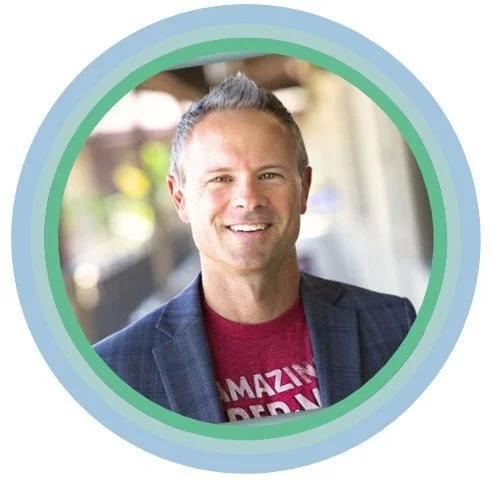
About The Keynote Speaker
Dr. Sean McDowell is a gifted communicator with a passion for equipping the church, and in particular young people, to make the case for the Christian faith. He connects with audiences in a tangible way through humor and stories while imparting hard evidence and logical support for viewing all areas of life through a Biblical worldview. Sean is an Associate Professor in the Christian Apologetics program at Talbot School of Theology, Biola University.
Holly Morris: Attachment and the Power of Presence
Holly Morris explored the profound impact of relational health, reminding us that our non-verbal presence often speaks louder than our words.
Creating Corrective Experiences: For youth coming from "disorganized" or scary home environments, the church can provide a vital "corrective experience". Because our brains possess neuroplasticity, consistent and safe relationships with ministry leaders can actually help build new neural pathways, moving a young person toward a more secure attachment style .
The Art of Sitting With: Holly noted that 50% to 85% of communication is non-verbal. Simply being able to sit quietly and predictably with a student is a powerful tool for promoting security.
Practical Soothing Techniques: She introduced the "Havening" technique, a soothing touch to the forehead, arms, or hands that can help calm a dysregulated nervous system . This is especially helpful when a student’s "logical brain" (prefrontal cortex) is offline due to high distress.
To listen to Holly Morris discuss attachment theory and regulation strategies in more detail, please access the audio for this session.
Jaclyn Yorkey: Navigating the Valley of Depression
Jaclyn Yorkey provided a deeply moving look at the internal world of a depressed young person, emphasizing the need for directness and deep empathy.
Understanding the "Burden": Many depressed youths suffer in silence because they feel like a burden to those who care for them . They may fear that their sadness is exhausting to others, leading to the heartbreaking thought that it would be better if they simply "weren't here" so they wouldn't burden anyone anymore.
Asking the Hard Questions: Jaclyn encouraged leaders not to fear asking direct questions, such as "Are you feeling like killing yourself?". Contrary to popular fear, asking this does not "plant the idea" in their head; rather, it provides a safe opening for them to share their pain .
Compassionate Curiosity: When a youth shares thoughts of despair, she suggests responding with "compassionate curiosity"—asking them to fill you in on what their daily life is like rather than rushing to provide answers . This "sitting on the bench" with them is often the most healing thing a leader can do.
To hear Jaclyn Yorkey’s full guidance on identifying symptoms and supporting youth in crisis, please listen to the audio for this session. NOTE: LINK TO DOWNLOAD AUDIO FILE FOR NEW WEBSITE - https://ciftcounseling.com/wp-content/uploads/2025/02/MHSummit-JYorkey.mp3
Dr. Esther Park: A Holistic Approach to Care
Dr. Park concluded with a comprehensive look at how physical, mental, and spiritual health are inextricably linked, urging leaders to care for themselves as well as their students.
Medication as a Tool: Dr. Park reframed medication as a "tool" to reduce suffering and allow for normal development, rather than a sign of "being crazy" . She emphasized a thorough diagnostic process that includes looking for physiological causes—such as thyroid issues—that can mimic psychiatric symptoms .
Defining the Crisis: She clarified the difference between passive suicidal ideation (thoughts that come and go) and an active crisis, which involves an imminent plan or intent to harm . In a crisis, the priority is immediate safety and professional intervention.
The Leader's Well-being: In a powerful reminder, Dr. Park noted that it is difficult to truly empathize with others if we are not nurturing our own spiritual and emotional health. She spoke of the "spiritual battle" where the enemy uses physical and mental ailments to make us doubt our identity in Christ, calling us to root ourselves firmly in the Gospel .
To listen to Dr. Park’s session on medical integration and leader self-care, please access the audio for this portion of the event.
Continue the Conversation
Explore CIFT Services to learn how we support pastors, ministry leaders, couples, and congregations through counseling, consultation, training, and assessment. Learn more about our Ministry Training ➞